How to Stop Fungal Toenails Before They Start
Prevent Fungal Toenails Before They Start
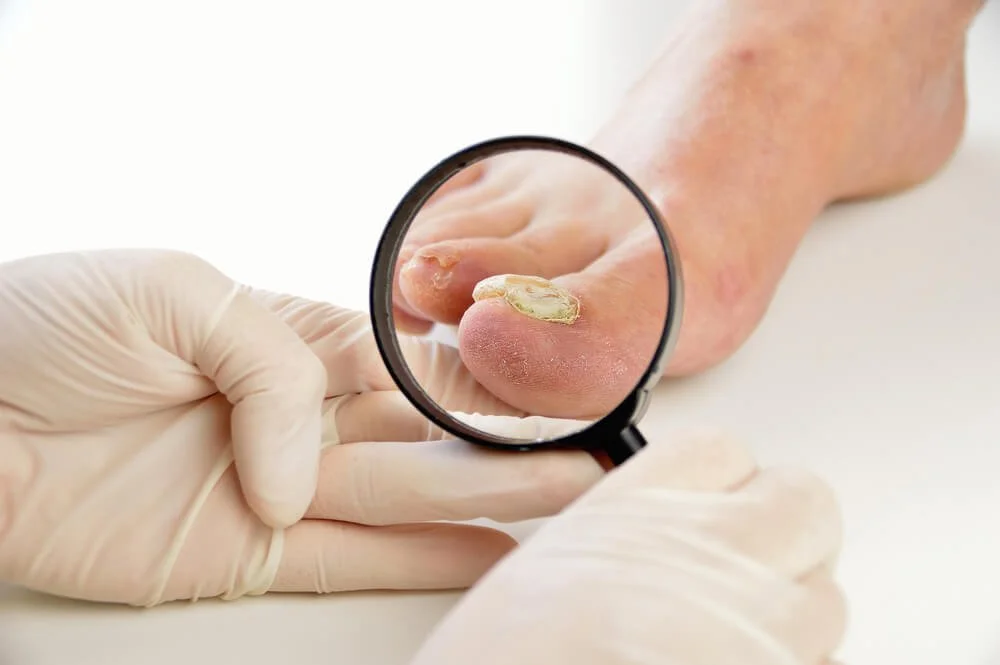
Fungal toenail infections are extremely common and one of the top reasons people visit podiatrists. These infections can quietly develop underneath the nail, causing discoloration, thickening, brittle edges, and a noticeable odor that becomes difficult to ignore. Once fungus settles under the nail plate, treatment can take time, which makes prevention your most valuable defense.
The encouraging news is that consistent habits and an understanding of how fungal organisms behave can dramatically reduce your risk. Below are three simple and effective prevention strategies recommended by podiatry experts.
Reduce Your Exposure to Fungal Hotspots
The fungi responsible for most toenail infections thrive in warm, moist environments. Public areas where many people walk barefoot can harbor fungal spores that linger on damp floors and shared surfaces. Gyms, locker rooms, public pools, hotel showers, and nail salons are among the most common risk zones.
To protect your feet:
Wear sandals or shower shoes in all public areas.
Use antimicrobial or antifungal sprays inside your shoes, especially after exercise.
Never share nail clippers, footwear, or socks with others.
Choose nail salons that follow strict sterilization guidelines and avoid aggressive nail trimming.
Limiting exposure to these fungal hotspots significantly lowers your risk of infection.
Trim Your Nails Correctly to Prevent Micro Injuries
Many fungal infections begin with tiny openings in the nail or surrounding skin. Cutting your toenails too short or rounding the edges can cause small injuries that allow fungus to enter. Proper nail care protects the nail bed and reduces the chance of infection.
Follow these Five healthy nail care habits:
Cut toenails straight across and leave a small amount of length.
Do not dig into the sides of the nail.
Always clean and disinfect nail tools before use.
Smooth rough edges with a file instead of trimming too deeply.
Correct trimming is a simple step that prevents both fungal infections and painful ingrown nails.
Keep Your Feet Clean, Dry, and Well Ventilated
Fungus grows quickly in warm, damp conditions. Keeping your feet dry throughout the day is essential for prevention, especially if you are active or wear work boots for long hours.
To keep fungus from taking hold:
Wash your feet daily and dry them thoroughly, including between the toes.
Choose moisture wicking socks and change them if they become damp.
Wear breathable shoes and rotate pairs to allow each one to dry out fully.
Use antifungal foot powder or spray if you tend to sweat heavily.
When your feet stay dry, fungus struggles to grow.
Pay Attention to Early Changes
Fungal toenail infections often begin with subtle signs such as mild discoloration, soft spots, thickening, or a nail that starts to change shape. The earlier you address the problem, the easier it is to treat.
If you notice any changes in your toenails, make an appointment with Maple Springs Foot Center in Gaithersburg, MD. Our podiatrists: Dr. Stuart Snyder, Dr. Sara Sharma and Dr. Gregory Aubertin, provide advanced diagnostic tools and effective treatments to eliminate fungal infections and restore healthy, clear nails. Call (301) 762-3338 or book an appointment online!
