Talus Fracture: Guide to Understanding This Ankle Injury
Recovering From Talus Fracture
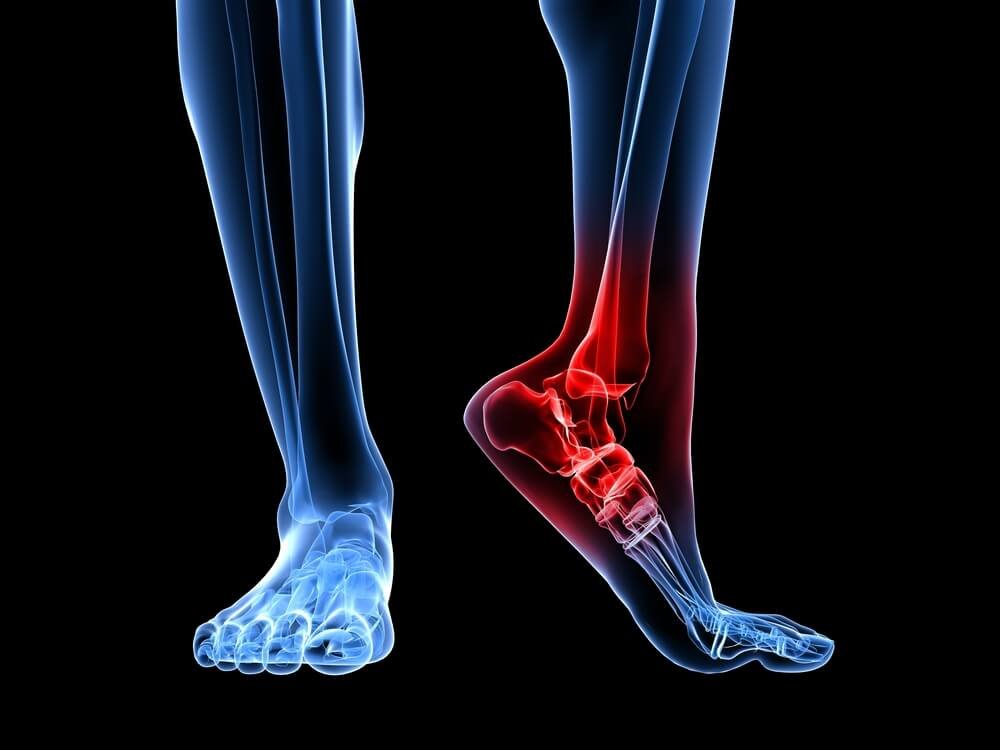
Our bones are designed to be strong and durable, but even the toughest structures have limits. A talus fracture is one of the more serious injuries that can affect the ankle, and it deserves careful attention. The talus is a small bone with a big job. It connects the leg to the foot and allows smooth movement when you walk, run, or stand. Because of its location and function, an injury to this bone can significantly affect mobility if not treated properly.
What Is a Talus Fracture
A talus fracture occurs when the talus bone breaks due to a sudden and forceful injury. This often happens during car accidents, falls from a height, or high impact sports injuries. Even a severe ankle twist can cause damage in some cases. Unlike many other bones, the talus has very little muscle attached to it and a limited blood supply, which makes healing slower and more complex.
Common Signs and Symptoms
Pain is usually immediate and intense following a talus fracture. Swelling around the ankle, bruising, and stiffness are common. Many people are unable to put weight on the injured foot. The ankle may feel unstable or look misshapen depending on the severity of the injury. Because these symptoms can sometimes mimic a severe sprain, proper medical evaluation is essential for an accurate diagnosis.
What to Do Right After an Injury
If you suspect a serious ankle injury, resting the foot is one of the most important first steps. Avoid putting weight on the ankle to prevent further damage. Elevating the foot and applying ice can help control swelling. Immobilizing the ankle helps protect the bone and surrounding joints until a full evaluation can be completed. Prompt care improves healing outcomes and reduces the risk of long term problems.
Treatment Options and the Healing Journey
Treatment for a talus fracture depends on how severe the break is and whether the bone has shifted out of place. Some fractures can be treated without surgery using immobilization and strict non weight bearing for several weeks. More complex fractures may require surgical correction to restore proper alignment and joint function.
Healing takes time, and patience is key. As the bone begins to recover, guided rehabilitation helps restore motion, strength, and stability. Gentle range of motion exercises are usually introduced first, followed by gradual strengthening once the podiatrist confirms it is safe.
Why Follow Up Care Matters
Because the talus plays such an important role in ankle movement, careful monitoring is essential throughout recovery. Without proper care, complications such as stiffness, chronic pain, or joint arthritis can develop. Regular follow up visits allow our podiatrist to track healing and adjust treatment as needed.
A Supportive Approach from Maple Springs Foot Center to Ankle Recovery
A talus fracture can feel overwhelming, but with the right care and guidance, most patients make strong recoveries. Early diagnosis and a personalized treatment plan make a meaningful difference in long term ankle health.
At Maple Springs Foot Center, located in Gaithersburg, MD, our Foot and Ankle Doctors Dr. Stuart Snyder, Dr. Sara Sharma and Dr. Gregory Aubertin take pride in providing attentive and compassionate care for foot and ankle injuries, including talus fractures. To schedule an appointment, book your appointment online or call (301) 762-3338. Our Podiatry team is here to help you get back on your feet safely and confidently.
